
Climate Culprit: Global Warming Fuels Chaos from Sea to Sky
How global warming is reshaping natural disasters, ecosystems, and vulnerable regions worldwide.
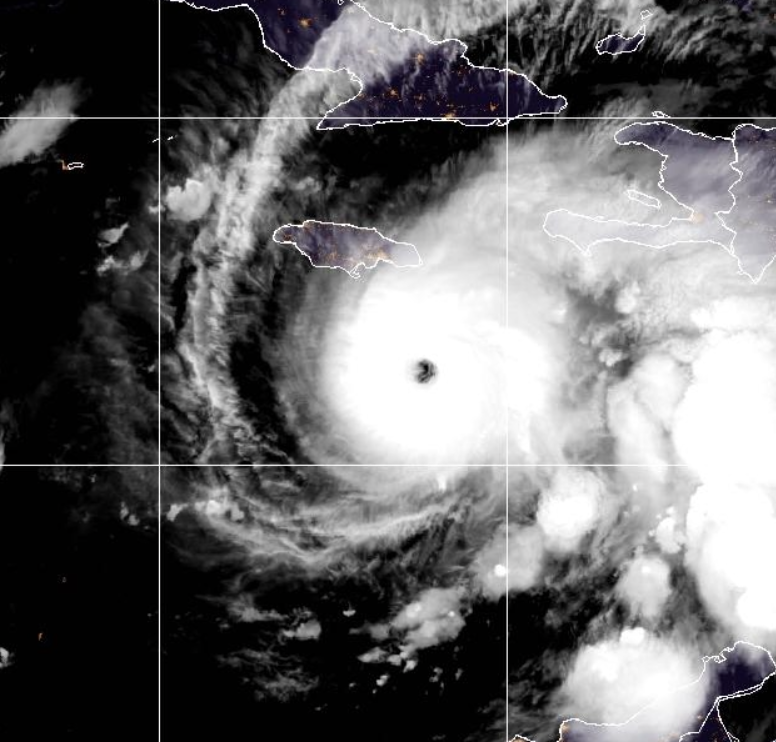
Blinding rain, twisting trees, roaring winds, sirens in the distance. While storm chasing, Josh Morgerman experienced these disasters when hurricane Melissa hit Jamaica. Category 5 hurricane Melissa is one of the most intense hurricanes ever recorded in the Caribbean. Hurricane Melissa wasn’t this strong by coincidence or luck; it’s global warming.
So why does this happen? Well, warmer oceans cause more evaporation, which in turn causes heavy rainfall. Additionally, the melting of ice caps also caused higher water levels. These two factors combined have caused hurricanes to have an increase in intensity every year.
“The average global sea level has already risen by well over half a foot since 1880— about four of those inches since 1993,” according to Environmental Defense Fund. “Higher sea levels can push more water inland during hurricane-related storm surges.”
But that’s just a hurricane, nothing permanent, right? No. Global warming affects way more than just hurricanes. Unfortunately, as the earth reaches a global temperature increase of 1.5 C° (34.7 F°), the warm-water coral reefs have also fallen over their tipping point, evident by their population’s drastic decline as entire colonies of coral have begun to bleach irreversibly.
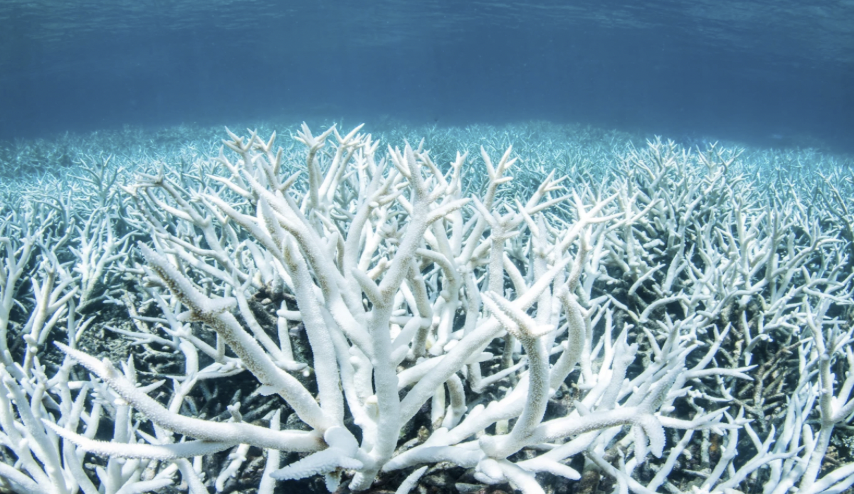
The most recent GTP (Global Tipping Points) full report revealed that even under the best-case scenario of stabilizing Earth’s warming at 1.5c° the reefs still have over a predicted 99% chance of dying out for good. These reefs are the most biodiverse in our entire ecosystem and support over a third of all marine life, and provide habitats for about 800,000 species, alongside annually contributing $109 billion in GDP worldwide.
Additionally, another effect of global warming’s temperature increases is the introduction of the first-ever mosquito species in Iceland. Iceland’s usually cold temperatures have recently shifted to a warmer climate.
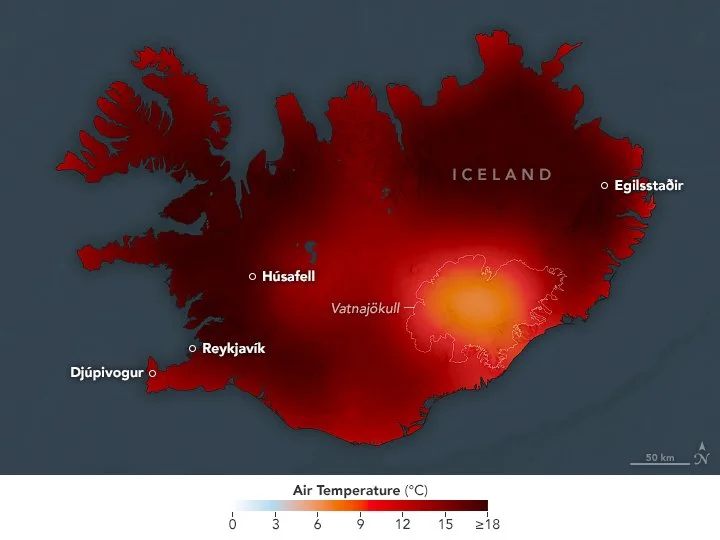
NASA Earth Observatory image by Michala Garrison, using GEOS-5 data from the Global Modeling and Assimilation Office at NASA GSFC., Public domain, via Wikimedia Commons
According to this BBC article, Iceland rarely exceeds highs of 20°C (or 68°F) in May and even when it does, it tends to last about 2 days. However, that same 20°C threshold was broken this May for ten days in a row, even reaching its hottest temperature ever recorded at 26.6°C or 79.8°F.
This is a serious issue, and it hints towards the possible consequences that cold climates like Iceland may face in the near future. Not only does global warming cause glacial melts and infrastructure shifts, but it has also led to a new inhabitant: the mosquito. The specific type of mosquito found in Iceland is called a Culiseta annulata, a mosquito that can carry viruses like Tahyna and is also considered an aggressive biter, as said by this scientific report.
Every day, the window for restoration grows smaller and smaller. The longer people wait to act, the worse everything will get. Greenhouse gases, deforestation, fossil fuels, and pollution are all important parts of global warming, and will lead to the planet’s ecological collapse if we don’t set limits on them soon. The best time to act was years ago, but the second-best time to act is now.
Currently, Jamaica is recovering from hurricane Melissa’s destruction by focusing on restoring power, clearing roads, and providing aid to survivors. Josh Morgerman safely evacuated from Jamaica after the storm passed and is living to tell the tale of survivors.



The Biden White House, Public domain, via Wikimedia Commons
.jpg)
"We have the ability to do this," former vice president and climate activist Al Gore said. "Each one of us is a cause of global warming, but each of us can make choices to change that."