
NSF/USAP photo by Steve Clabuesch; uploaded by en:User:Fishdecoy, Public domain, via Wikimedia Commons
Digging for Treasure in the Ocean’s Darkest Depths
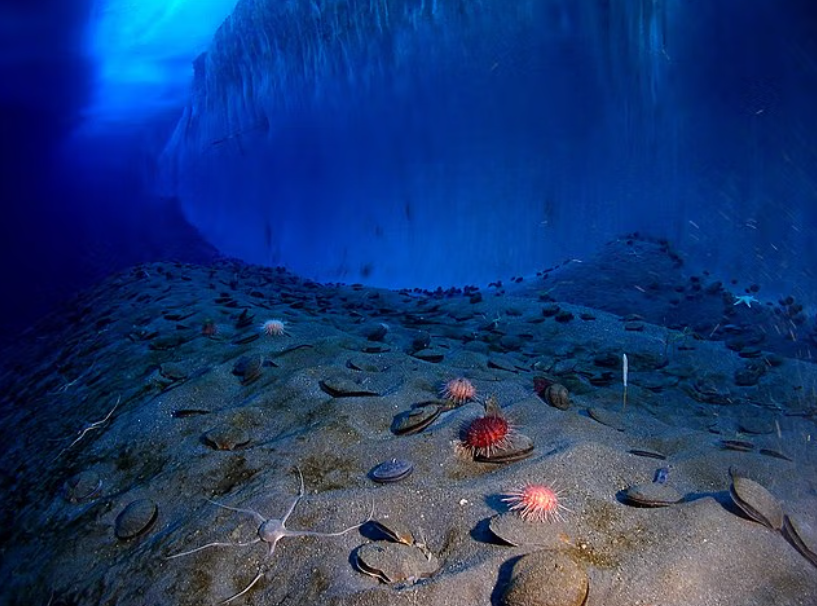
Imagine a place on Earth darker than any night, miles below the ocean's surface, where sunlight never reaches. It's a world of crushing pressure and super-cold water, home to bizarre, glowing creatures and, surprisingly, huge piles of valuable metals. This is the deep sea, and it's becoming the next big place for mining.
Why are we looking here? Well, the metals we use every day – like cobalt, nickel, and copper – are needed for things like the batteries in our phones and electric cars. As the easy-to-reach metals on land get harder to find, companies are starting to think about mining the ocean floor for these super important resources. But this isn't just about finding treasure; it's about a big question: is it worth potentially harming this unique and mysterious part of our planet?
The Ocean's Hidden Riches: Why Go Deep?
Scientists have discovered that the deep ocean floor is covered in rocks called polymetallic nodules. Think of them like giant, metal-rich potatoes scattered across the seabed. There are also areas around hydrothermal vents (like underwater hot springs) that are packed with minerals. Getting these metals is becoming increasingly important as our planet's needs grow. “We really need these metals to build a future that doesn't hurt the environment as much," junior Mi’angel Gray said. "Electric cars, wind turbines, all the things that help us fight climate change – they need these metals. The deep sea might have enough to help us out, and it could be less damaging than digging up more land.”
Warning Signs from the Deep: The Risks
However, not everyone is excited about digging up the ocean floor. Many scientists and environmental groups are really worried about what this could do to the creatures that live there. “We honestly know so little about the deep sea," explained junior Jordyn Knight, who would like to protect our ocean. "Many of the animals down there are super special and haven't even been found by scientists yet. If we start mining and disturbing their homes, we could cause damage that can never be fixed. It's like destroying a whole forest before you even know what kind of trees are in it.”
What Could Happen if We Mine the Deep Sea?
The idea of deep-sea mining involves using big, special machines, kind of like underwater bulldozers, to collect these metal-rich rocks. When these machines move around, they stir up huge clouds of mud and sand called sediment plumes. These clouds can drift through the water, making it cloudy and hard for tiny sea creatures that filter food from the water to survive. They can also block sunlight from reaching other parts of the ocean. Plus, the noise and lights from the mining ships and machines could scare or confuse deep-sea animals that are used to total darkness and quiet. "It's kind of like clear-cutting a jungle, but instead of trees, we're ripping up the seafloor,” junior Wesley Kinsey said. “We could be wiping out entire communities of life before we even have a chance to understand them or how important they are to the ocean's health.”
“Finding a Balance: What's Next?
With everyone wanting these metals, is there a way to get them without destroying the deep sea? Some scientists think that if we are super careful and follow strict rules, we might be able to mine responsibly. “We need to go very slowly and invest a lot in research to truly understand what's down there," suggested Crews. "If we are going to do this, we must make sure we do it right, with the best technology and the strictest rules to protect the environment.“
The discussion about deep-sea mining is complex. There are good reasons to want metals, but also very serious risks to the ocean. As mining operations become more likely, it’s important for all of us to think about the possible effects and make smart choices that will protect our amazing oceans for the future.