
Eyes Over Jacksonville: The Fight Over Flock Cameras
Debate over Flock cameras intensified when the Jacksonville Sheriff’s Office decided to discontinue the use of Flock cameras in the county.
The Jacksonville Sheriff’s Office recently announced its decision to discontinue using Flock cameras after heavy pushback from residents. Further, a few days before Jacksonville ceased use, the Florida Department of Transportation (FDOT) revoked permits for license plate readers on state highways and ordered the cameras removed.
Stories like these are repeatedly appearing in the news and are raising national concern about citizens’ privacy and safety. Concerns over privacy and the purpose of the cameras have spurred debate across the United States, including in Jacksonville.
For those unfamiliar, Flock cameras are automatic license plate readers, commonly called ALPRs. These are cameras that detect millions of vehicles’ details every day and automatically store the data in systems that are either owned by private companies or the government. “Flock’s automatic license plate readers capture data about every passing vehicle, including plate numbers, make and model and even dents and bumper stickers,” according to a WBEZ Chicago report. The Jacksonville Sheriff's Office operated “141 fixed LPRs and 9 mobile LPRs” in Duval County before discontinuing use, according to News4Jax.
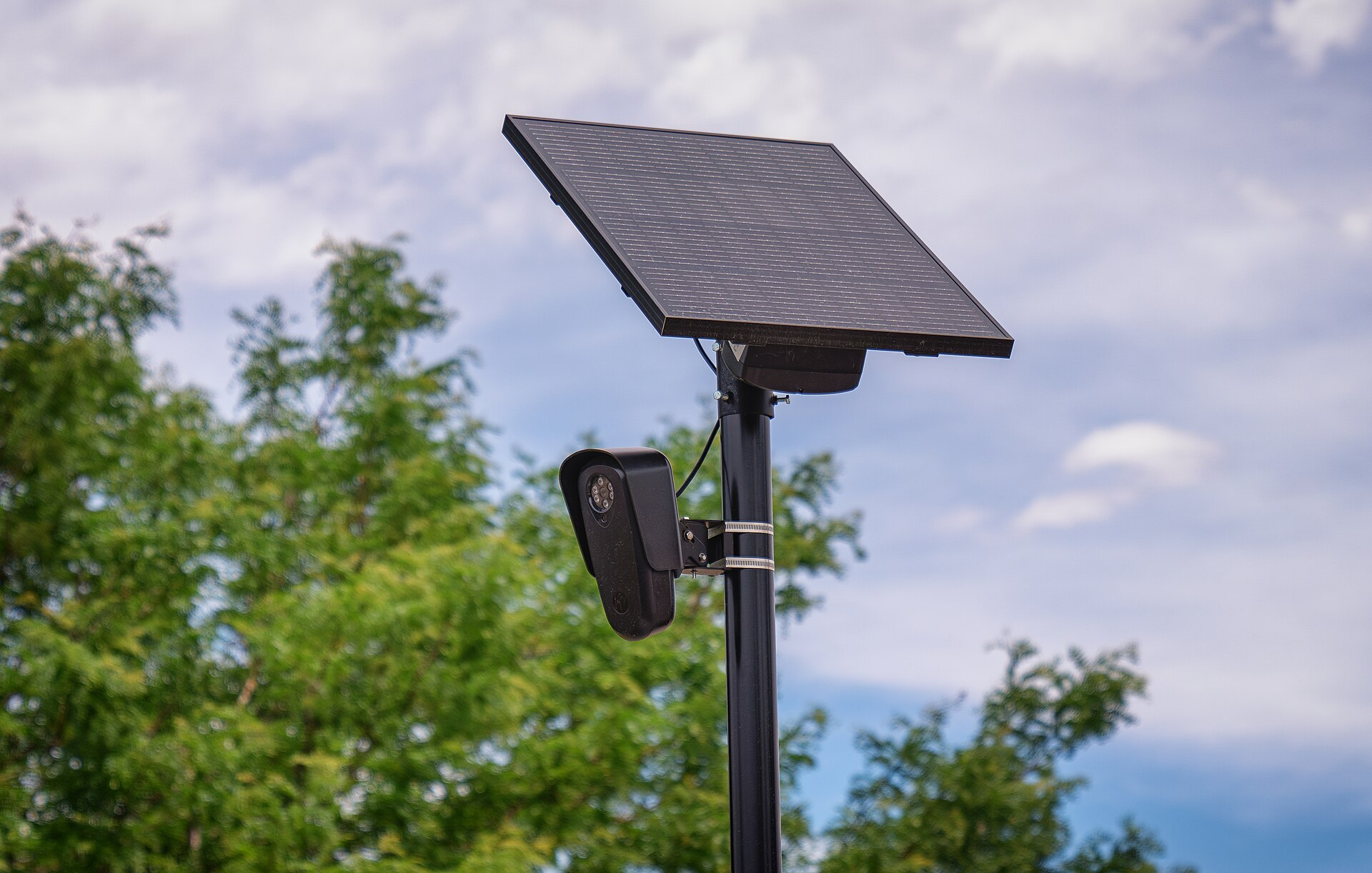
MiracleMiles, CC BY 4.0, via Wikimedia Commons
For most of the time Flock has operated in Jacksonville, the JSO strongly defended the use of Flock Safety, stating it has “helped investigators solve 15 murders, 17 kidnappings, 6 forcible sex offenses, nearly 100 shootings and 172 missing-persons cases,” according to News4Jax.
Despite the benefits in law enforcement and criminal investigations, concerns over misuse and surveillance agendas have caused some disruption. Civilians have mixed opinions over the use of Flock Safety, either praising its usefulness or suspecting the possible damage it could cause.
“Surveillance is not freedom,” one Jacksonville resident said at a public meeting on August 28, hosted by Jimmy Peluso.
Peluso, a city council member, has been pushing for change in the current legislation over Flock Safety in Jacksonville. Then, Gov. Ron DeSantis raised concerns about the cameras and data collection, according to News4Jax.
Although license plate readers covered by FDOT permits are set to be removed from state highways, this does not include the Flock Safety cameras that may still exist on city roads, county roads or private property.
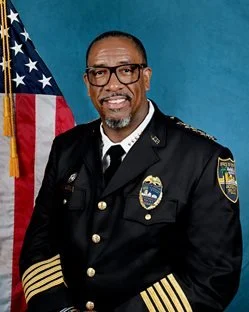
Jacksonville Sheriff's Office, Public domain, via Wikimedia Commons
.jpg)
“As the elected Sheriff of Duval County, it is my responsibility to listen to the concerns of our citizens and act accordingly,” Sheriff T.K. Waters said.
Some citizens are satisfied knowing their privacy is being protected by local authorities but still have concerns over not having control over who makes the decisions about Flock cameras in their neighborhoods.
To address the concerns surrounding Flock cameras, Peluso said he is proposing to “create a process that if a neighborhood wants to, there’s a petition process to remove a camera,” according to a News4Jax article.
Locally, legislation for a new process for implementing the cameras in neighborhoods is being considered. Citizens want to be involved in the process of this developing legislation to ensure future protections and ways to petition against surveillance technologies.