
Life After High School
Navigating uncertainty, independence, and the first steps into adulthood
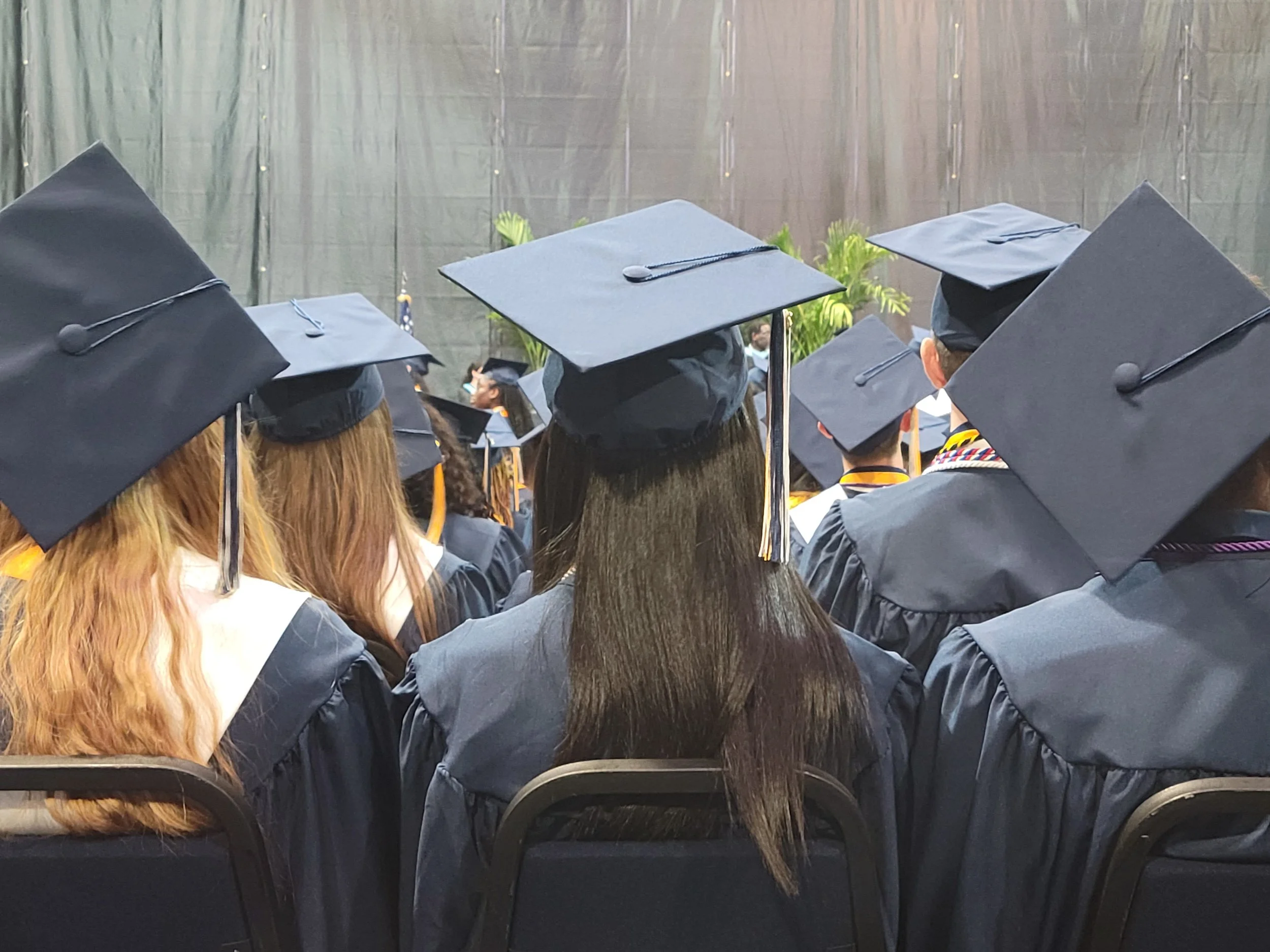
As graduation approaches, most seniors find themselves feeling excited and nervous about what’s to come. Life after high school looks different in the eyes of every student. For most people, it’s about learning how to adapt rather than following a concrete plan because, as we know, life tends to throw unexpected curveballs. The pressure to have your life plan figured out can feel overwhelming.
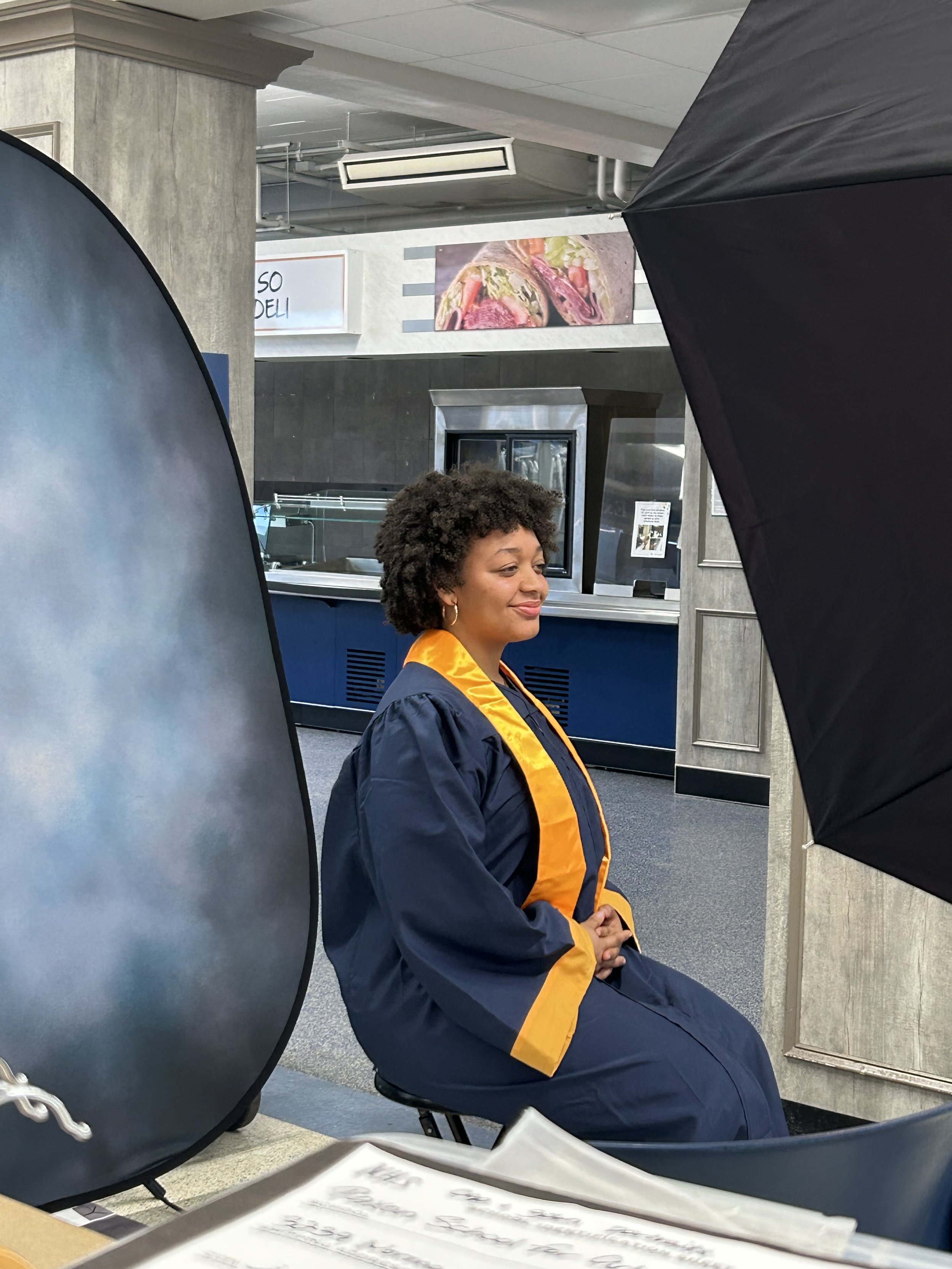
Senior Mackenzie Frazier believes the shift after graduation is challenging because of how quickly the expectations change.
"The transition out of high school can be challenging because students suddenly have more independence and responsibility," Frazier said.
Moving from a structured environment to one where students must make their own choices can feel overwhelming at first. For Frazier, the future gives her feelings of excitement but a little uncertainty.
"I feel excited about starting a new chapter, but there's some nervousness because everything's changing so quickly.” She explained that the transition is a step towards independence and growing into adulthood. Although doubts are present, Frazier maintains a positive attitude towards her future.
"Overall, I'm ready for what's next," she stated. After high school, Frazier plans to continue her education and work towards a career that aligns with her passion and purpose. She also shared that her motivation for this is the idea of building a meaningful future and walking in her purpose while also pushing herself to grow through this chapter of her life.

For senior Vonshana Porter-Dubois, her biggest worry is making the “right” decisions in a short amount of time. “I’m most concerned about making perfect decisions after graduating,” she said. "As graduation approaches, important decisions are also coming like career paths, school choice, and majors."
Most seniors feel the pressure to have their entire futures planned out, even while trying to still discover who they are and what they want to be. This pressure is also increased by never-ending questions and comparisons. “I think most seniors feel the need to have every step of their future figured out because society makes it seem as though we’re on a time crunch,” Porter-Dubois explained. “We already have these thoughts ourselves internally, but on top of that, constantly being asked what college we’re going to, what career we want, and what our plans are, even though we’re still young and figuring these things out."
Porter-Dubois also pointed out the effect of social media and how it portrays young adults as perfect and as if they have everything together. This can lead to teens feeling behind and lowering their confidence. Despite the stress that’s attached to senior year, Porter-Dubois says there is still a level of excitement about this next phase in new experiences, connections, and discovering more about herself.
For some students, taking a gap year or volunteering can provide clarity about the next steps and what they should look like. According to Career Prep School, a gap year allows students to explore their personal interests, gain experience in the real world, and develop new skillsets before committing to a career or college program. Investing time in volunteering can help students gain an idea of what their purpose is while allowing them to serve their communities and build valuable life skills. This period also builds confidence in students because it gives them experience and shows them what they're capable of achieving on their own.
Life after high school isn't necessarily about having everything figured out. It's about learning how to adapt and making the most out of every situation you're in. Whether students choose to take the path of college, a gap year, the military, or something else, everyone's new chapter is about growth and independence. Although the future may have uncertainties, the sky is the limit!