
More Than Metal: Piercings Through Time
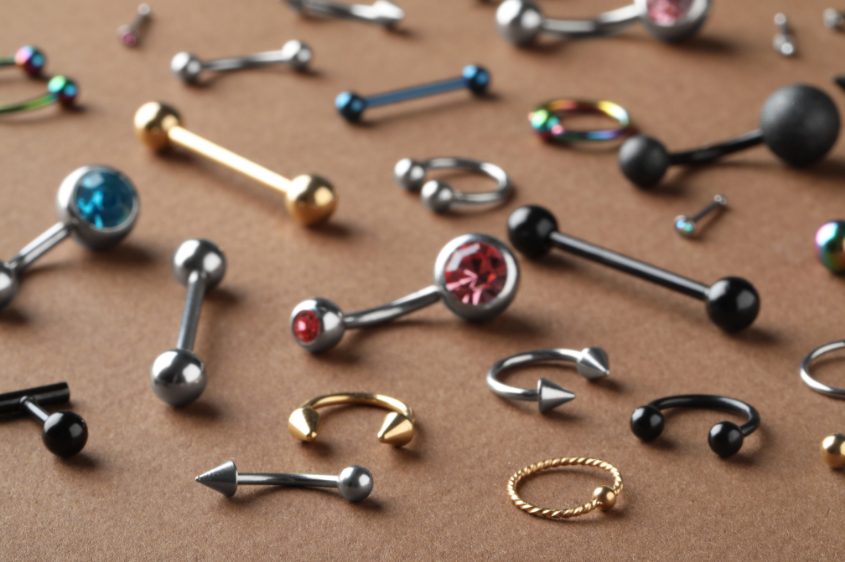
Body piercings have a long history, from being necessary in ancient societies to being pushed out of the “norm” to becoming iconic rebellion and fashion statements.
By Dakota Wade
Every piercing has a story. Body piercings have never been just a piece of metal; they’ve held strong significance throughout history. From 11,000 years ago to now, piercings have been important to human identity, but the era of negative stigma behind body piercings created strong fear and hatred between two groups in society on the topic of iconic self-expression.
One of the most recent discoveries of piercings in ancient societies came from a Neolithic settlement in southeast Turkey. It was easy for archaeologists to assume the small, plug-shaped objects lying next to the skeletons’ mouths and ears were body piercings, noting the variety of sizes of the limestone or obsidian objects scattered around the ears and mouths of the skeletons.
“This leads them to suspect that body piercing was a rite of passage, conducted to initiate older adolescents into adulthood,” an IFLScience article explained, noting that the piercings were never found around children’s gravesites, only those of adults.
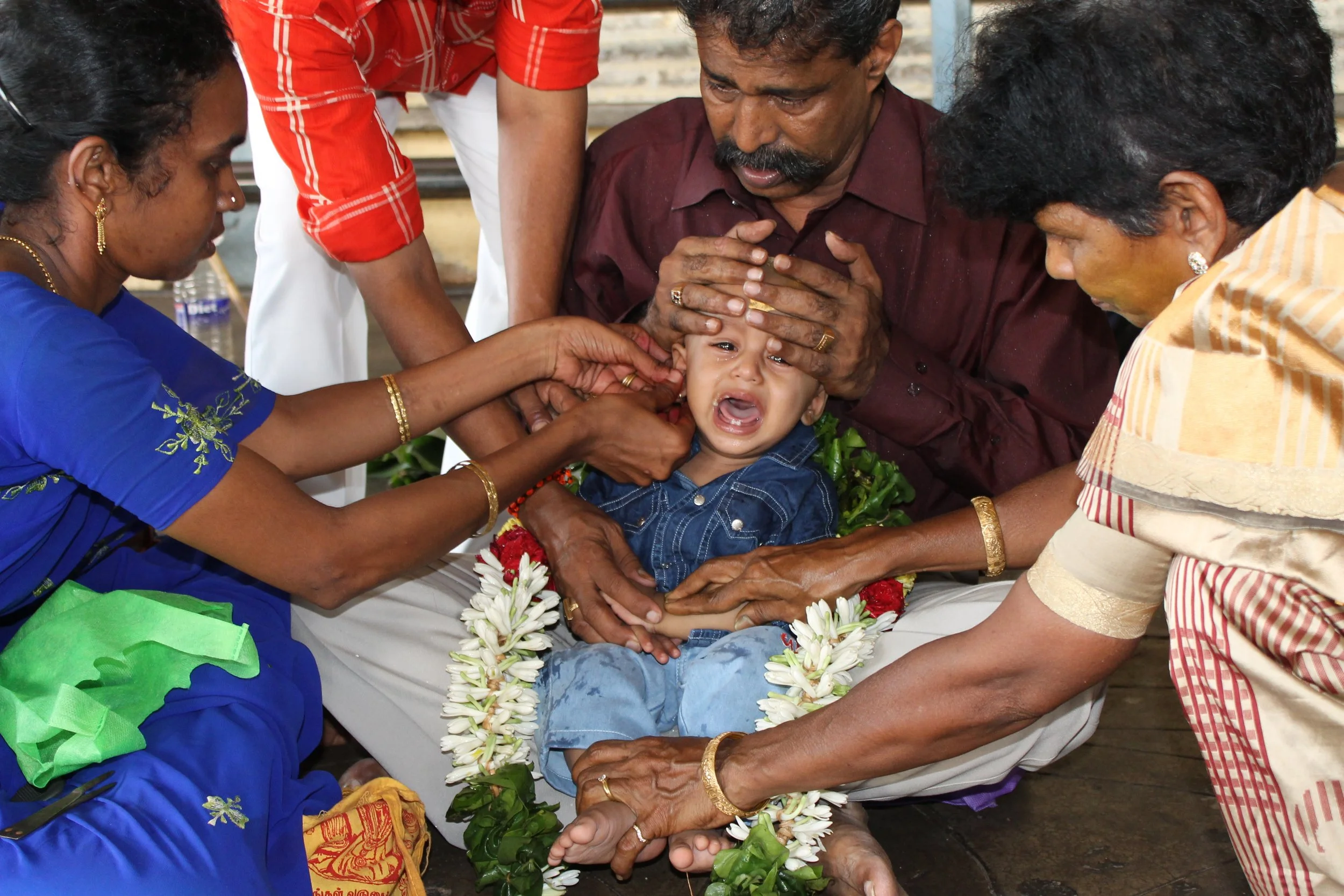
Ear piercing ceremony is a customary tradition in India, practised not only for girls but also for boys. RHKalpana, CC BY-SA 4.0, via Wikimedia Commons
Moreover, ear piercings have been essential to cultural ceremonies to mark the coming of age of a child or their rite of passage. In Indian cultures, specifically Hinduism, it was a tradition for both young boys and girls to pierce their ears during “Karnavedha,” which was a ceremony to officially introduce a child to their community and to “bestow spiritual and intellectual benefits, not just physical adornment,” according to a Threader Earrings article.
“From rural villages to urban centers, tiny gold studs on a baby’s ear are a visible marker of heritage and blessing,” according to the Threader Earrings article. Ear piercing from a young age has been a tradition for years and still thrives in Indian communities for ceremonial purposes.
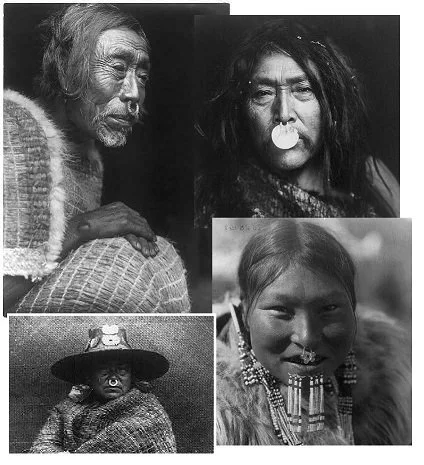
Clockwise from left: A Tlingit woman dressed for potlatch with copper septum ring, a Nakoaktok chiefwith copper septum ring and an armload of copper,and an Inuit woman from Nunivak with beaded septum and beaded labrets. Edward S. Curtis, CC BY-SA 4.0, via Wikimedia Commons
Another common piercing besides the ears is the septum piercing, now a common fashion choice, but in ancient times the septum was pierced in cultural traditions. Septum piercings were sacred to the Aztecs and people in Papua New Guinea for many purposes, but especially among warriors. The septum would be adorned with jade or gold and sometimes bones among Aztec warriors to intimidate their enemies.
“In Papua New Guinea, tribes used pig tusks and bone septum jewelry to blur the line between human and beast, connecting themselves to the spirits of the animals they hunted,” according to a Tribu London article.
So, what has changed? From beloved culture and tradition to current generations, somewhere in between, societies have lost the origins of body modification, and now it has been a struggle for self-expression and culture among Western societies to be accepted again.
A major shift started during World War II when metals became more valuable than ever before, and if earrings could be used for weapons and beyond, they were given up. Even afterward, femininity was desired and represented by clip-on earrings and necks covered in pearly white necklaces.
“Yet despite their popularity, most women still weren’t actually pierced,” a Crystalqiao article noted. “Jewelry was performance—style without permanence.”
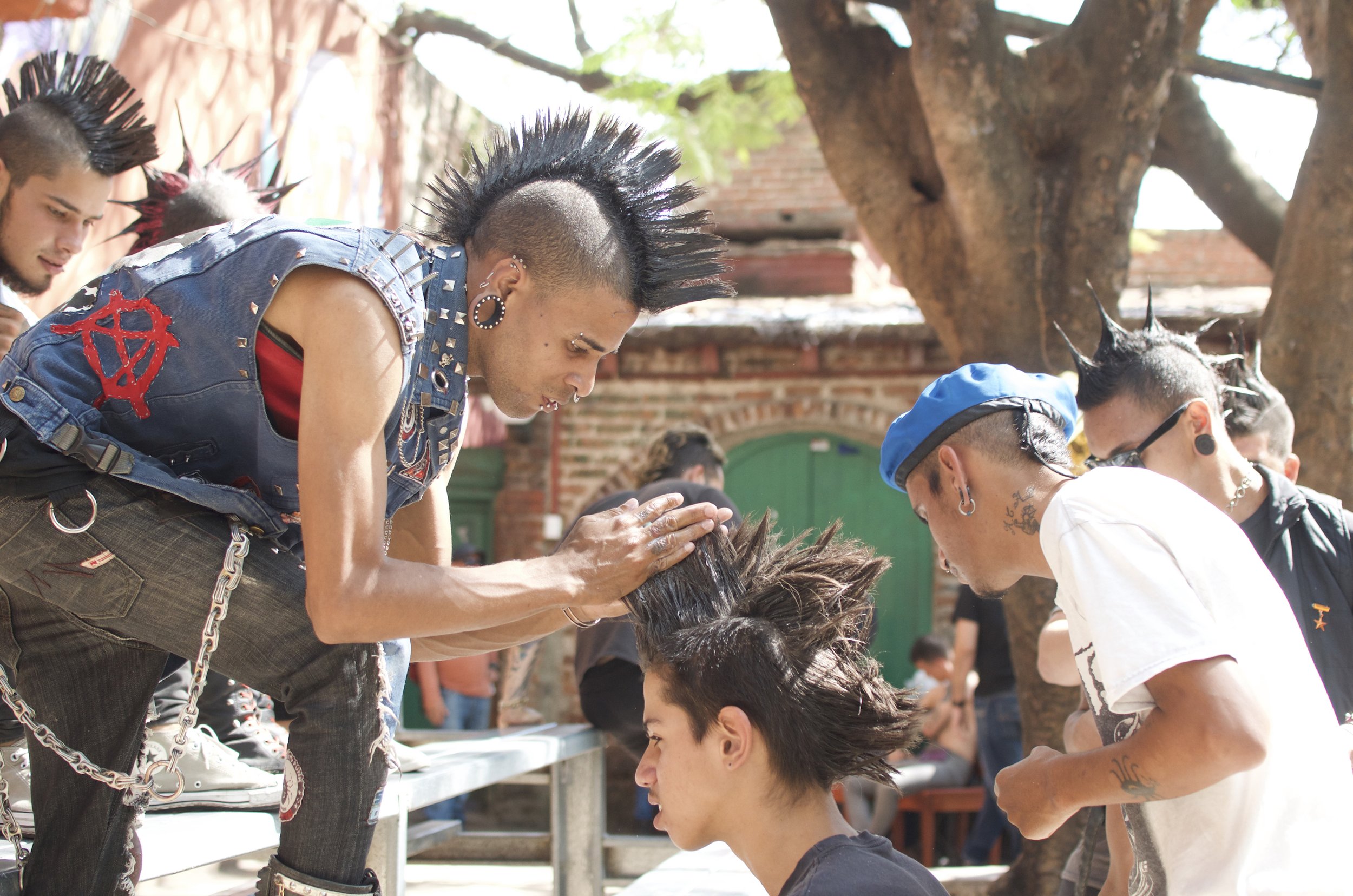
Maluqueer, CC BY-SA 4.0, via Wikimedia Commons
What shaped the future of piercings was the rebellion starting around the 1970s and ’80s. Here came punk culture and iconic movements from community groups to favored celebrities like Prince. Professional piercing and tattoo studios were rising, so teens didn’t have to break the rules with a needle and ice cube in the bathroom.
“Eyebrow piercings became iconic among rock fans, while tongue piercings re-emerged as modern expressions of individuality—blending ancient ritual roots with contemporary identity,” according to the Crystalqiao article.
Piercings have become important to teens as a form of self-expression, including students on campus. The easily accessible inspiration online through social media and even family members being open to self-expression have created a safe environment for teens to feel comfortable in their love for expression.
“My mom introduced me to piercings,” sophomore Kayla Harrington said. “She had a lot of them when I was really young. She did get rid of some of them, though, but it kind of fueled my desire to want to get a piercing when I grow up.”
The rise of commonly seeing piercings has inspired teens to not only delve into self-expression but also become aware of the pain, the healing process and the negative stigma.
“The healing process and their rejection rates [are important], because some people don’t really check to see if those piercings last forever or if, you know, they’re going to heal super quickly,” Harrington explained, emphasizing the importance of knowing this information before getting a piercing.
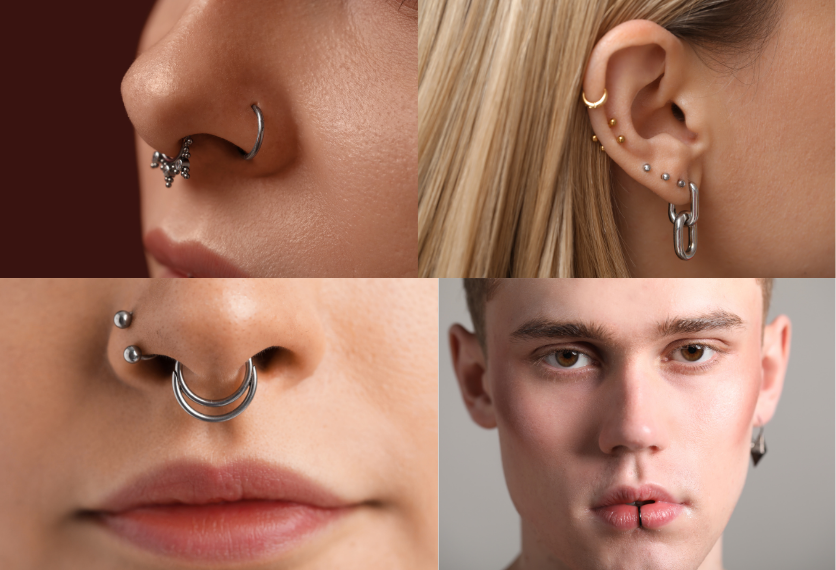


The negative stigma against piercings has made teens aware of the possible negative comments or looks. As much as judgment has risen and fallen time and time again, teens are still inspired to express themselves.
Sophomore Leila Diaz Hernandez said, “I just feel like it’s one of the ultimate forms of expression.”