
No Space Left: The Teen Takeover Fallout
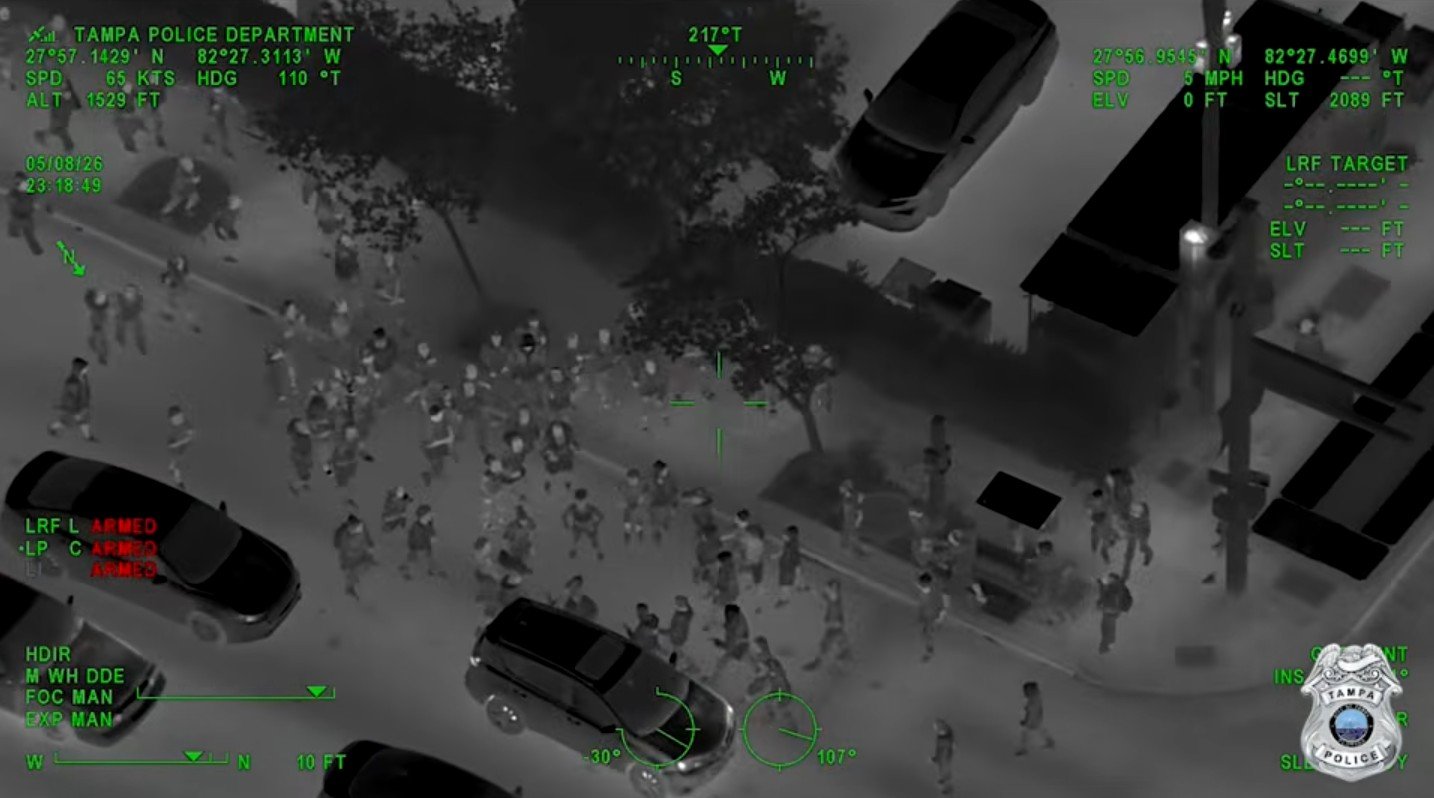
Tampa Police Department, Public domain, via Wikimedia Commons
More fun experiences in Jacksonville have closed down due to events being described as “Teen Takeovers,” and with the recent Senior Skip Day, how are teenagers now described?
By Marcus Wallace II
Like many other places in Jacksonville, teenagers are one of the most likely age groups who feel the need to go out constantly. Whether it’s just a simple trip to the park or a birthday dinner, teenagers are a frequent demographic that enjoys going outside and enjoying the wonders Jacksonville has to offer. However, an issue labeled “Teen Takeovers” is still occurring in a variety of Jacksonville areas, leading to even stricter restrictions on places many people love to go to.
Skip Day Sparks the Fuse

Excel23, CC BY-SA 4.0, via Wikimedia Commons
During last year’s spring break week in the middle of March and the Senior Skip Day in late March, many citizens in Jacksonville expressed their anger and annoyance over events called “Teen Takeovers.” On March 30, 2026, News4JAX reported that the Jacksonville Sheriff’s Office made 13 arrests, seized more than 100 grams of marijuana and recovered nine guns at a “Senior Skip Day” event in Jacksonville Beach.
The Shrinking Playground
As time has gone on throughout the year, teens have seen new changes in their daily lives in both where they go and what they can do. Teens already feel they have nowhere to go but now it’s getting worse, as teens feel that the city keeps closing doors without opening new ones. For example, in October 2025, Adventure Landing was permanently closed after 30 years of operation. This was a place where teens would often go to get away and have fun.
“Adventure Landing was the last place left in Jacksonville with a water park that kept us from having to drive all the way to Orlando to pay high prices just for a few hours compared to a full day here for a lower price,” senior Treyon Wallace said, explaining how the closure hits home for him.
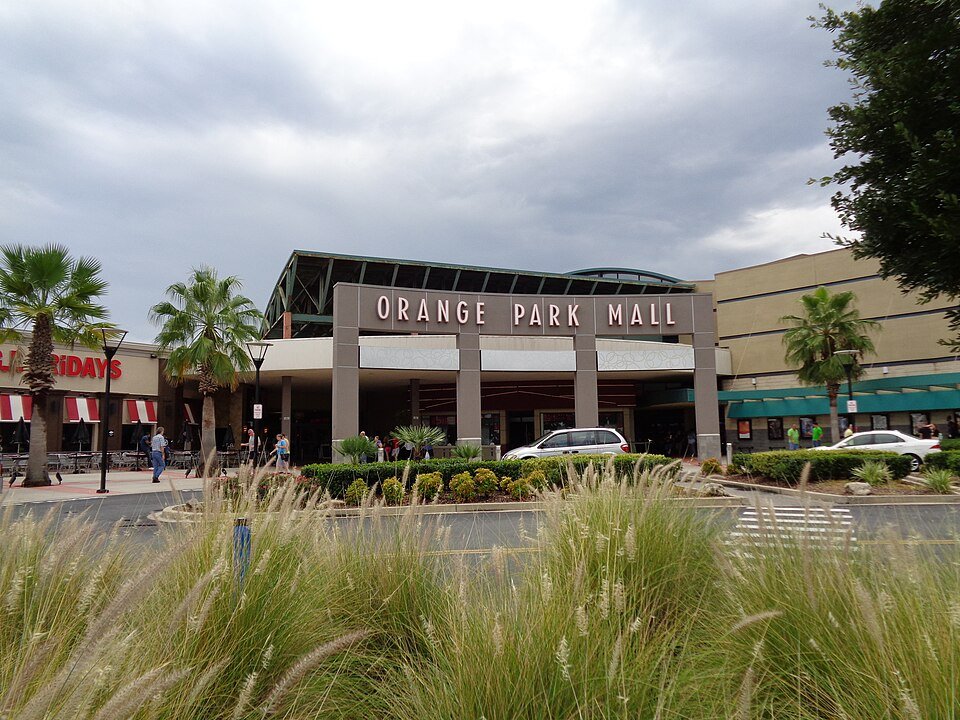
Michael Rivera, CC BY-SA 4.0, via Wikimedia Commons
But Adventure Landing was only the first major change teens noticed this year. In the months after its closure, other places that had once served as a common safe haven where teens could get some R&R had begun tightening their rules. Orange Park Mall introduced new age restrictions on weekends, requiring teens under the age of 18 to have a parent or guardian who is at least 21 years old with them on Fridays and Saturdays. Around the same time, the city increased enforcement of its curfew, a choice made by officials to reduce the number of large unsupervised gatherings. Together, these shifts have reshaped where teens can spend their free time and how the community views their presence in public spaces.
Behind the Badge and Beyond the Home: How Adults Are Responding
For many teens, the biggest shift hasn’t just been the new rules placed on them — it’s how they feel they are now being treated. That feeling intensified after a video surfaced showing a Jacksonville Sheriff’s Office officer punching a teenager while trying to detain him. According to a News4JAX report, the video shows a teen seated and talking with an officer before the officer strikes him in the face and forces him to the ground. The teen was later arrested on a charge of resisting arrest.
Ja’Ree Butler’s 16-year-old son was inside a McDonald’s. According to a police report cited by News4JAX, police described the teen as a suspect and “ringleader” among a group of teenagers and said officers saw him directing part of a crowd to cross the roadway near University Boulevard and Fort Caroline Road without using a crosswalk. Butler said what shocked her even more was the reaction when she confronted the officer afterward. She told Action News Jax that when she asked whether he had punched her son, the officer replied, “Yes, I did — right in the face,” a response she described as uncaring and without remorse.
The footage quickly spread online and sparked debate among citizens over whether force is being used appropriately during these large teen gatherings. For many students, the incident deepened the sense that they are being viewed as a threat rather than young people looking for a place to spend their time.
Caught in the Middle: How Teens Feel the Shift
Many teens feel discouraged that they are being described in a negative light. Even though the teen takeovers are, of course, run by teenagers, teens who don’t participate feel as if they’re guilty by association, even if some of them aren’t involved with the takeovers.
Senior Phenix Turner expressed her opinion when she heard about the new “Teen Takeover” events in Jacksonville.
“It makes it seem like we’re just a bunch of rambunctious animals,” she said. “Like we don’t know how to control ourselves or act in public.”
Senior Lexanna Rice feels the same and thinks that the teen takeovers diminish the reputation of her age group.
“It makes them think that for some reason we have no home training,” Rice said. “In terms of reputation, you look at all these takeovers and it’s just a lot going on, especially seeing girls my age.”
In the eyes of parents, the events make children seem as if they are only out of control, but to kids, the primary cause is that they want the freedom to go out and have fun. However, when more fun areas for kids to hang out at are closed, teen takeovers disperse into more areas. As more takeovers are covered in Jacksonville news, teens who do participate are only getting the sharper end of the double-edged sword, and teens who don’t are faced with the restrictions of curfews on places that are for all ages.
Paxon graduate Vandel Gaboyau has also voiced his opinions on the curfews and the closing of Jacksonville’s areas, such as Blue Cypress Park.
“I lived in Blue Cypress my whole life,” Gaboyau said. “Not one time did I ever hear that park being shut down, and it was the most peaceful park in Jacksonville.”
The Big Picture: A Trend That Outgrew the City Limits
Jacksonville was not the only city dealing with Senior Skip Day crowds that weekend. Across several states in the U.S. — including Florida, Georgia, Texas and California — police departments reported multiple mass gatherings, beach shutdowns and similar incidents such as the ones labeled “Takeovers.” While the specifics varied from case to case, the pattern was similar: Large groups of teenagers began to show up in public places, causing disruptions. The spread of these events beyond the streets of Jacksonville highlights that the issue was no longer just a local issue but had become part of a broader trend.
Lost Signals: The Call for Communication
Local leaders have also emphasized the need for more communication between teens, parents and the city. Several community organizations have suggested that creating more supervised events, youth programs or designated gathering spaces could help reduce the number of unsupervised crowds forming in public areas. City officials have acknowledged that the conversation is ongoing and that long-term solutions will likely require cooperation between schools, families and community groups.
The Road Ahead


I, Jonathan Zander, CC BY-SA 3.0, via Wikimedia Commons

As the new school year begins, one thing has become clear: The conversation around teen takeovers is no longer just about crowds on beaches or curfews at malls. It’s about how a generation is being seen, shaped and restricted in real time. The closures, the crackdowns, the viral videos and the national spread of Skip Day gatherings all point to a deeper question Jacksonville is still struggling to answer — what does it mean to grow up in a city where every move feels watched, judged or misunderstood? For now, teens, parents and officials remain stuck in the same cycle, each trying to protect something: safety, freedom, reputation or control. Whether this year brings more rules or more understanding will depend on whether the city chooses to keep closing doors — or finally opens a few new ones.