
The Transition of Experimentation in Rap: How Bleood Reflects a Changing Sound
How is the sound of rap changing through experimentation, and how has Bleood revolutionized this shift within the music scene?

Album Cover via Genius
Rap is more than just a genre; it’s a way to express struggle and identity. Every decade reshapes a new sound. The 1990s were centered on lyrical mastery and storytelling, while the early 2010s highlighted trap music with loud 808s, fast hihats, and catchy hooks. In the 2020s, the new generation of artists is not focused on perfect production and is more interested in breaking the rules entirely. Experimentation has become the core of the sound. “Rap is one of the biggest ways to celebrate diversity. Experimentation allows people to be themselves,” Senior Adriel Aro said.
Today’s experimental rap often blends styles like EDM, cloud rap, hyperpop, and subgenres. Artists are not afraid of distortion, glitches, or “wrong” sounds. Harsh synths, blown-out bass, and extreme autotune are used on purpose to create a mood. Much of this movement comes from the online underground, with apps like SoundCloud, TikTok, and Discord collectives where songs spread fast. New ideas catch on long before they reach mainstream.
Jamari Spencer, better known as Bleood, is one of the clearest examples of this shift. Born on March 17, 2005, in Florida, he began releasing songs under different names, experimenting with cloud rap and EDM. From early on, his music stood out for its chaotic energy, heavy effects, and emotions. Rather than smoothing everything out, he leaned into textures. “Imperfection is what makes emotion feel real,” explains Junior Ari’yana Cherry.
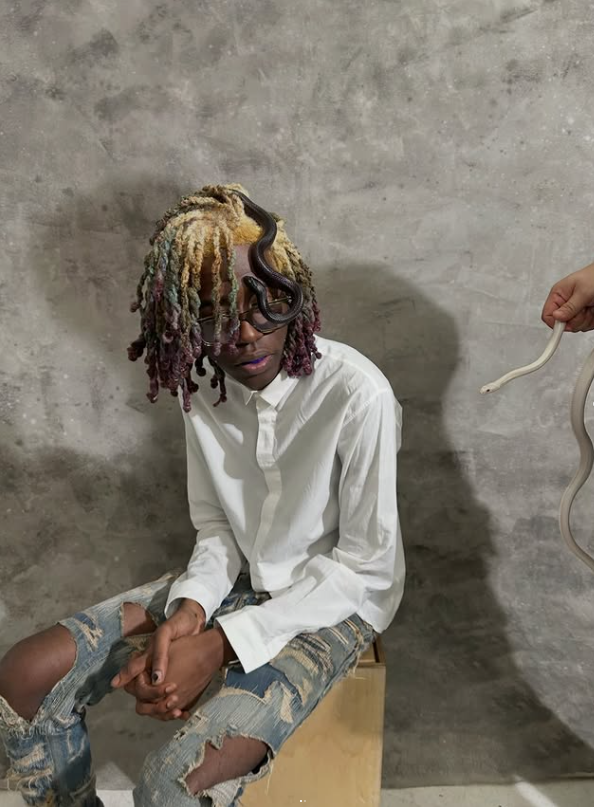
@disininfecting via Instagram
Bleood is closely connected to the collective 1c34, which includes artists like Xaviersobased, Phreshboyswag, and Ksuuvi. This group is known for trying new ideas. Their music is full of heavy autotune, ear-piercing synths, and distorted bass. What might once have been considered “bad mixing” is now part of the style. Within 1c34, artists trade sounds and influences, pushing each other toward more experimental territory.
What makes Bleood important is how clearly he represents the new direction of rap. His vocals are bent and stretched with autotune until they sound surreal. Rather than following standard music structure, the songs prioritize mood and raw emotion. “The sound is not meant to be perfect; it's meant to be felt,” junior Aiden Santa said.
Bleood shows how rap evolves from a focus on simple trap formulas into something more fluid. By embracing distortion, he helps expand what rap can sound like and, in doing so, reflects the larger possibilities of music.