
What is the Real Cause of Autism?
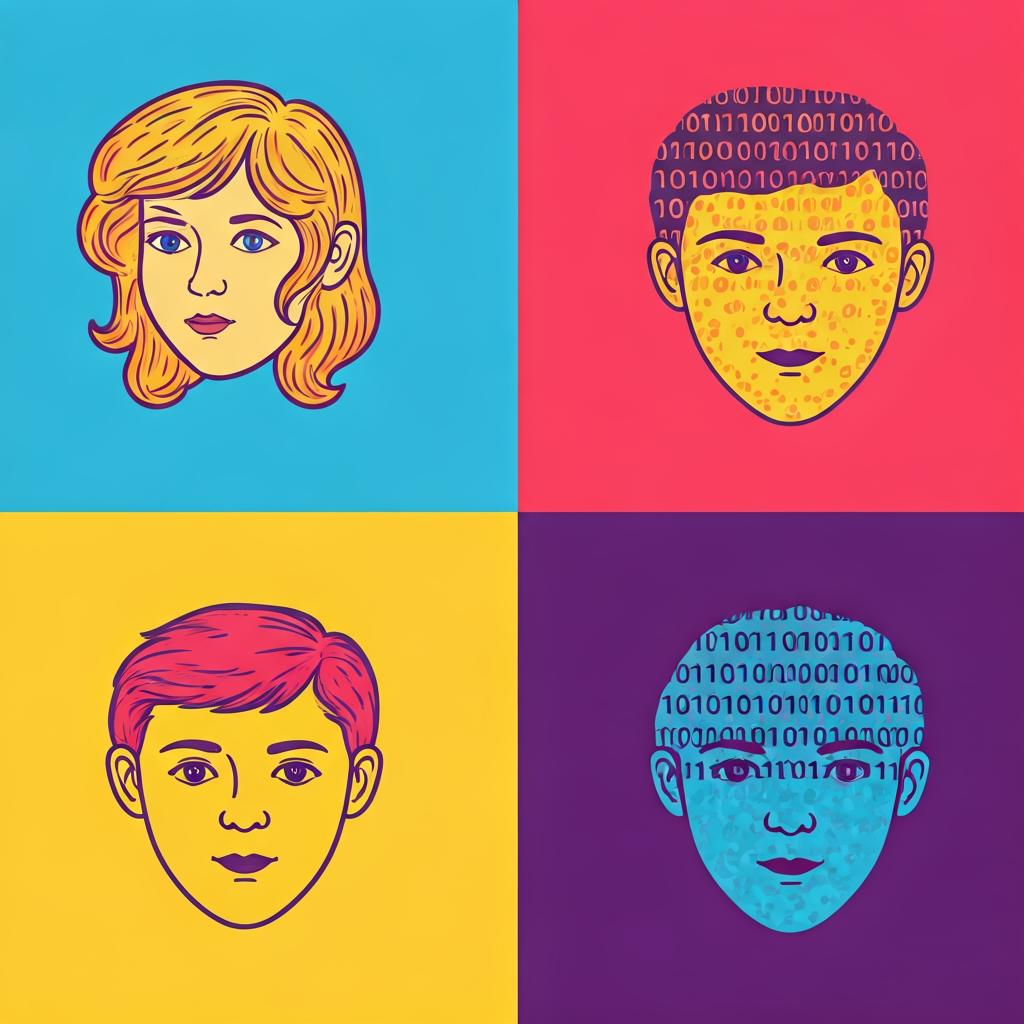
The truth about autism’s causes, as well as how false information about autism affects people.
While research is still ongoing about the specifics of the cause of autism, much has already been discovered and, in some cases, disproven. However, many people still debate the accuracy of scientists’ studies of autism.
How Common Misconceptions About Autism Arose
For decades, there has been stigma around the term “autistic.” People have been questioning its causes and how it might affect people who get diagnosed. Misinformation about autism has been spreading ever since its discovery. This is partly due to the lack of research about autism. Another factor is that there are not many reliable sources on the subject. These tend to be sources based on personal beliefs and persuasive rhetoric instead of scientific studies and current, relevant data.

The White House, Public domain, via Wikimedia Commons
One belief, suggested by the Trump Administration, is that using the over-the-counter pain drug Tylenol during pregnancy “may cause long-term neurological effects in children” such as autism and ADHD.
“Tylenol is fine for people that aren’t pregnant, that are in the situation,” President Donald Trump said in a USA Today article. “But we are talking about one very specific situation.”
Another belief, circulated by the United States Centers for Disease Control and Prevention (CDC), suggests that “studies support a link” between vaccines and autism.
“Don’t let them pump your baby up with the largest pile of stuff you’ve ever seen in your life going into the delicate little body of a baby,” Trump said.
The Effects of Misinformation About Autism
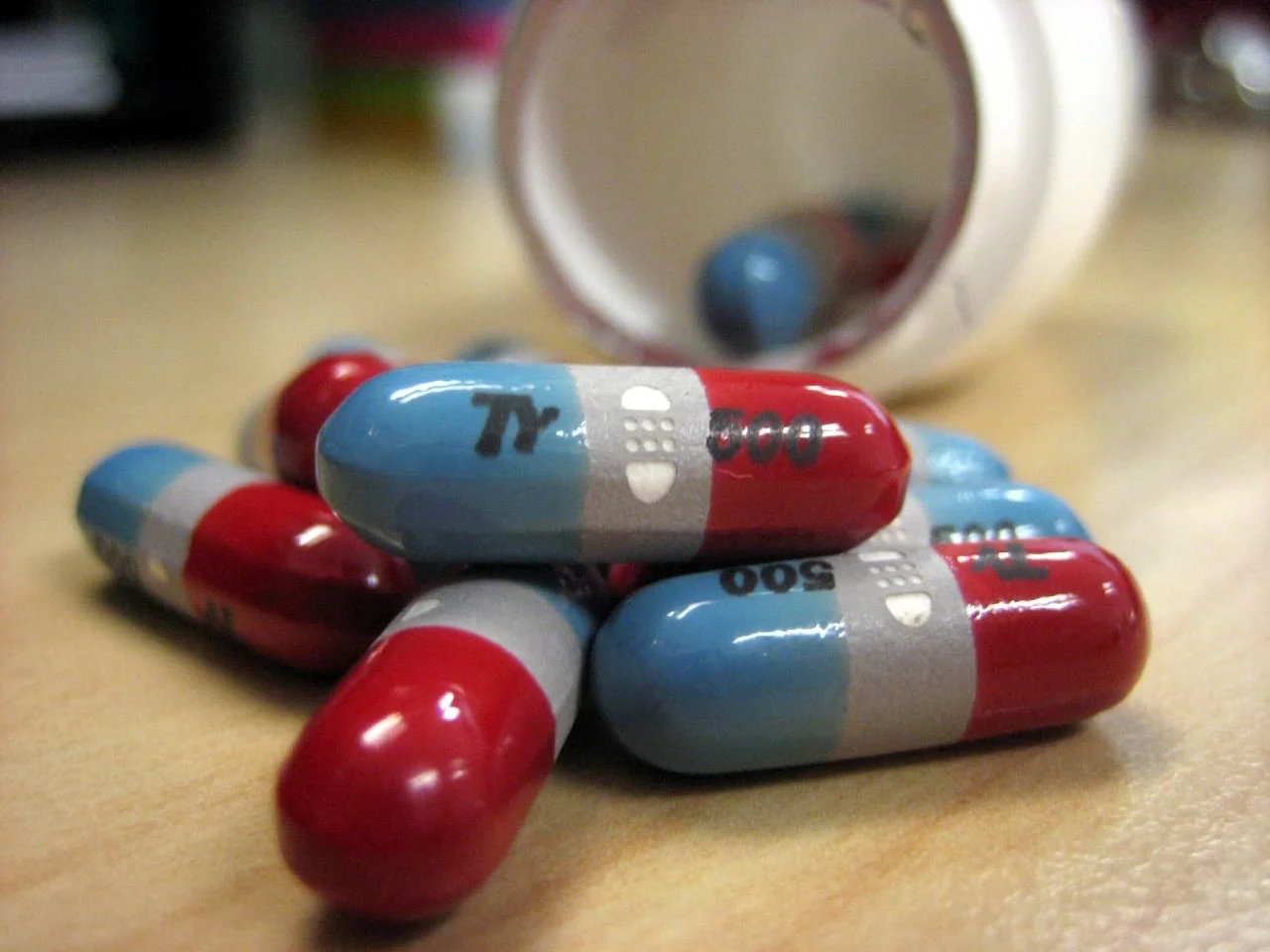

Katy Warner from Orlando, FL, USA, CC BY-SA 2.0, via Wikimedia Commons

Misinformation about autism has affected many people’s lives, whether they are autistic or not. It has caused stigma and stereotypes to flourish, and as a result, an increased risk of complications during pregnancy due to untreated fevers.
Dr. Steven J. Fleischman of the American College of Obstetricians and Gynecologists stated that when choosing between taking or not taking Tylenol while pregnant, taking Tylenol is by far the lesser of two evils.
“The conditions people use acetaminophen to treat during pregnancy are far more dangerous than any theoretical risks,” Fleischman said in a Snopes article, “and can create severe morbidity and mortality for the pregnant person and the fetus.”
The Real Science Behind Autism’s Causes
While it was once believed that autism only had one cause, in reality, it has many. However, genetics plays a key role in whether a person is autistic or not. Although, it is important to keep in mind that genetic factors are the longest-standing and most studied influences on a person’s brain chemistry. Even then, there is still much to learn.
A Princeton study about the genetics of autism found four main types. These types are Social and Behavioral Challenges, Mixed Autism Spectrum Disorder (ASD) with Developmental Delay, Moderate Challenges, and Broadly Affected.
However, only a small percentage of autistic people fit into these categories.
“While genetic testing is already part of the standard of care for people diagnosed with autism, thus far,” clinical psychologist Jennifer Foss-Feig said in a Princeton article, “this testing reveals variants that explain the autism of only about 20% of patients.”
As autism breakthroughs are happening, autistic people’s lives are becoming more understood. Even though some are still uninformed, research is the key to learning how to support neurodivergent people while they navigate a complex and often brutal world.